
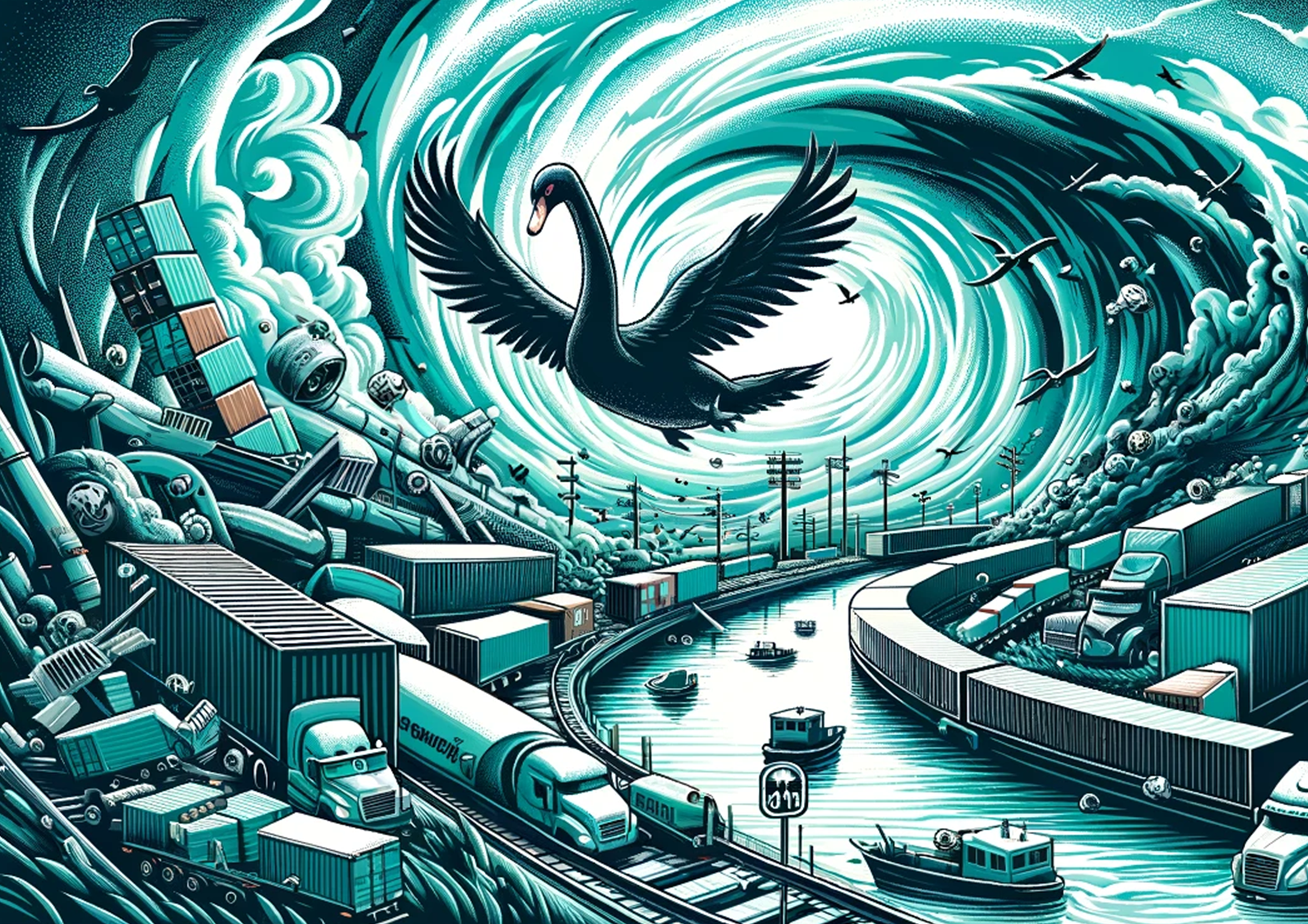
Unforeseen events, often referred to as 'black swan' events, are unexpected occurrences that can have profound effects on global economies, industries, and societies.
Unforeseen events have always posed significant challenges across various sectors, but their impact on the commodity and agricultural industries is particularly pronounced.
This is due to their dependence on specific environmental conditions, integration into global supply chains, and sensitivity to regulatory and political changes making these sectors highly susceptible to external shocks.
This blog post explores the nature of unforeseen events, with a focus on their impact on the commodity and agricultural sectors, and includes examples to illustrate these challenges.
Understanding Unforeseen Events
Unforeseen events can be categorized into natural disasters, geopolitical events, pandemics, and technological failures, each with unique characteristics and impacts:
- Natural Disasters: These include hurricanes, earthquakes, floods, and droughts, which can cause immediate and devastating impacts on agriculture and commodity supply chains. They often result in the loss of crops, livestock, and infrastructure, leading to supply shortages and increased prices.
- Geopolitical Events: Wars, trade disputes, and political instability fall under this category. These events can lead to sanctions, trade barriers, and conflicts that disrupt global trade routes and affect the supply and pricing of commodities.
- Pandemics: Outbreaks of diseases can lead to labor shortages, disruptions in production and supply chains, and changes in consumer demand. The global reach of pandemics, as seen with COVID-19, can cause widespread economic and social impacts.
- Technological Failures: This includes cyberattacks, infrastructure failures, and other tech-related incidents that can disrupt production processes, distribution, and data security. The reliance on technology in modern agriculture and commodity trading makes this category particularly pertinent.
Examples of Unforeseen Events and Their Impacts
- COVID-19 Pandemic: The pandemic highlighted the vulnerabilities in global supply chains and the agricultural sector. The disruption of supply chains, due to lockdowns and restrictions, led to significant challenges in food production, and distribution, and increased volatility in commodity prices. The meat industry, for instance, faced severe disruptions due to processing plant closures, affecting the supply and prices of meat products globally.
- Natural Disasters: Events like Hurricane Katrina and the 2012 U.S. drought have shown how natural disasters can cripple production capabilities and supply chains. Katrina's impact on oil and gas production led to increased energy prices worldwide, while the drought-affected crop yields, driving up prices for corn, soybeans, and other essential agricultural products.
- Geopolitical Events: The Russia-Ukraine conflict and trade tensions between the United States and China are prime examples of how geopolitical instability can affect global commodity markets. These events can lead to uncertainty, price volatility, and disruptions in the supply of critical agricultural commodities, such as wheat, corn, and soybeans, affecting global food security and trade dynamics.
Coping with Unforeseen Events
The unpredictability and impact of these events underscore the importance of resilience and adaptability in the commodity and agricultural sectors. Businesses and policymakers must focus on building more robust supply chains, diversifying sources of supply, and investing in technologies that can enhance predictive capabilities and operational flexibility. For example, digital agriculture technologies, such as satellite imagery and predictive analytics, can help monitor crop health and predict yields, enabling better planning and response strategies.
Furthermore, risk management strategies, including commodity hedging and insurance, play a critical role in mitigating the financial impacts of unforeseen events. These tools can provide a financial cushion against price volatility and supply disruptions, helping businesses and economies to weather the storms caused by unexpected occurrences.
Conclusion
Unforeseen events pose significant challenges to the commodity and agricultural industries, impacting everything from production to pricing and supply chains. The COVID-19 pandemic, natural disasters, and geopolitical events serve as stark reminders of the vulnerability of these sectors to external shocks. Building resilience through technological innovation, diversified supply chains, and effective risk management is crucial for navigating the uncertainties posed by these events. As the global community continues to face the prospect of unforeseen challenges, the ability to adapt and respond will be key to sustaining the commodity and agricultural sectors in the face of adversity.
Recommendations
- Enhancing Supply Chain Resilience: Diversifying supply sources and leveraging technology for better supply chain visibility can mitigate disruptions.
- Adopting Technological Innovations: Implementing digital agriculture technologies, such as predictive analytics and satellite imagery, to improve planning and operational flexibility.
- Implementing Effective Risk Management: Utilizing tools like commodity hedging and insurance to protect against financial impacts of market volatility.
- Fostering Sustainability Practices: Promoting sustainable and climate-smart agricultural practices to reduce vulnerability to natural disasters and changing climate patterns.
- Strengthening International Cooperation: Collaborating across borders to ensure a coordinated response to global supply chain challenges and geopolitical tensions.
Introducing Stable's Price Protection Program
Building on these foundational recommendations, Stable's Price Protection Program uses the latest technology to offer insurance-like protection against price fluctuations for essential commodities. Stable empowers businesses to safeguard their operations and financial stability. The program's highlights include risk mitigation through familiar market benchmarks, trusted global reinsurer backing, a user-friendly online platform, customized strategies tailored to business objectives, innovative procurement tools, and flexible payment terms without the need for upfront margins.
Learn about Stable’s innovative solution
Talk to our commodity experts to find out how we can support you