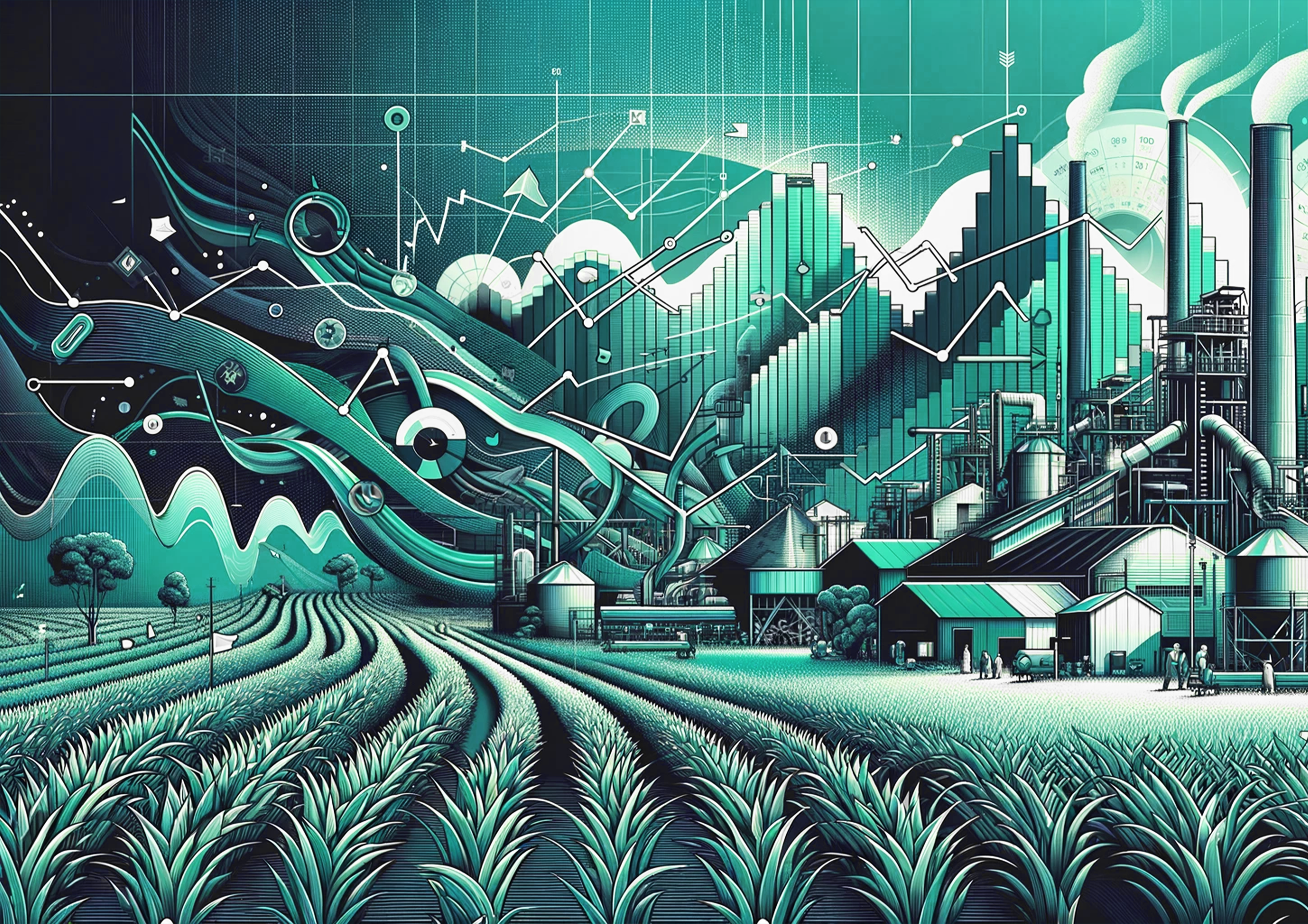
The sugar industry is currently navigating a labyrinth of challenges that contribute to its volatility. This post aims to dissect the myriad factors influencing this instability, providing insights into the complexities that businesses within the sector must manage.
Environmental Impact on Production
One of the most significant sources of volatility is the dependency on environmental conditions. Extreme weather events such as droughts, excessive rainfall, freezing temperatures, and heatwaves can drastically affect crop yields. Additionally, the threat of pests and diseases further complicates production forecasts.
Operational Risks
Beyond environmental challenges, operational risks within the sugar production process pose significant concerns. The potential for sugar dust to ignite, along with problems related to clumping, mold, and texture changes, directly impacts product quality and production volume. These issues, coupled with the logistics of packaging and delivery, as well as the ever-present risk of force majeure events, add operational complexities.
External Forces: Policy, Health, and Finance
Trade policies and health-related consumer preferences are external forces that add layers of unpredictability. Changes in regulation or shifts in market demand based on health concerns can quickly alter the landscape. Financial aspects such as pricing strategies, credit availability, and market sentiment are crucial yet fluctuate based on a myriad of factors, including broader economic conditions.
Economic Indicators and Their Influence
The sugar industry does not operate in isolation; it is influenced by global economic indicators like oil prices, foreign exchange rates, interest rates, and biofuel prices. These elements interlink with the industry, affecting cost structures and competitive positioning.
Strategic Response to Industry Volatility
The current state of the sugar industry underscores the need for strategic planning and resilience. Businesses must adopt a multifaceted approach that includes risk management, flexibility in operations, and strategic market analysis to navigate these challenges effectively.
Conclusion
The volatility of the sugar industry is shaped by a complex web of factors, from environmental conditions to global economic trends. Understanding these influences is critical for developing strategies that mitigate risks and capitalize on opportunities. As the industry moves forward, it will require adaptability, strategic foresight, and collaborative efforts to ensure stability and growth in an unpredictable market.